
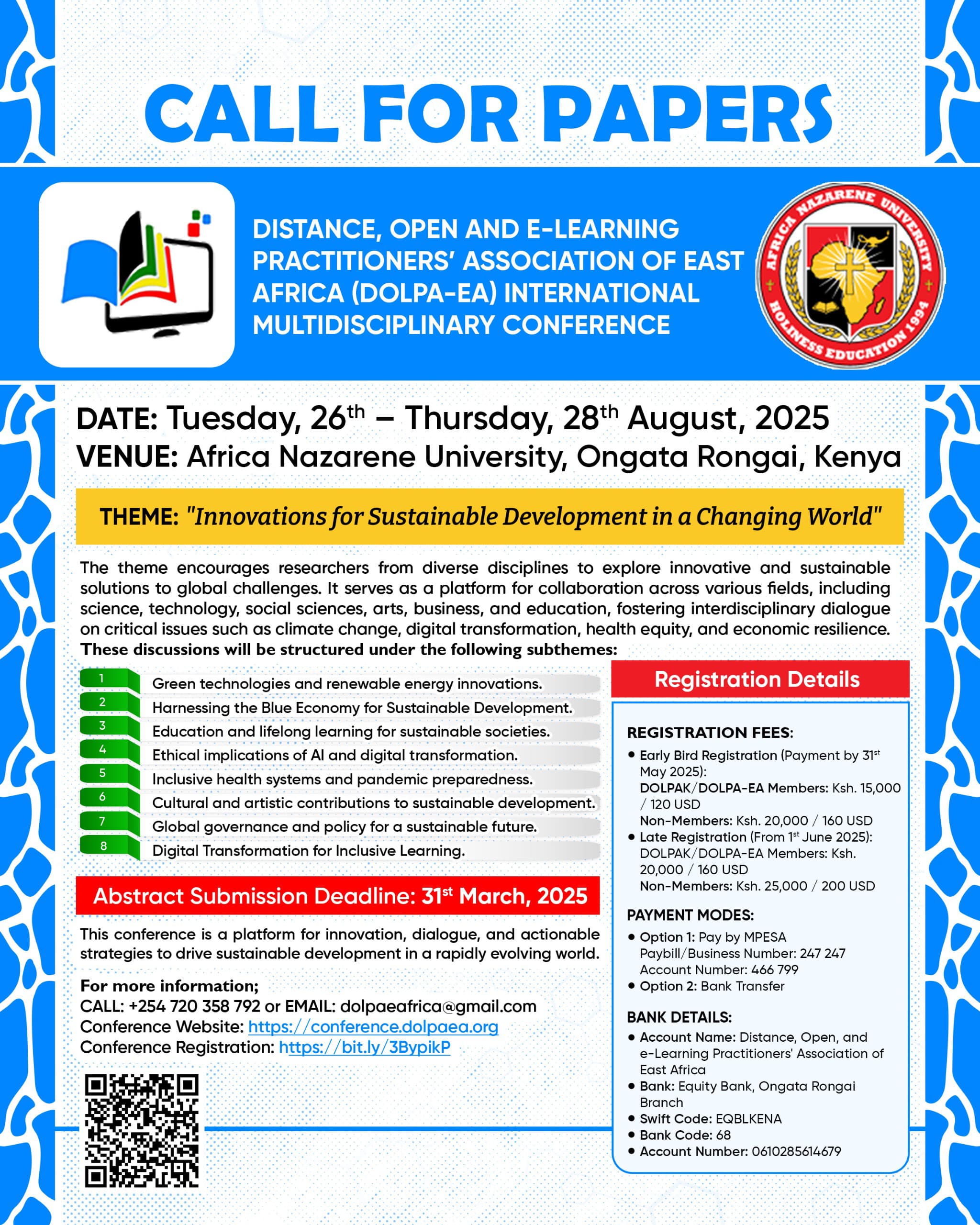
DIGITAL TRANSFORMATION FOR INCLUSIVE LEARNING: BRIDGING GAPS IN ACCESS AND EQUITY
Keywords:
Digital Transformation, Inclusive Education, Artificial Intelligence, Virtual LearningAbstract
Digital transformation is reshaping education, offering innovative opportunities to create inclusive learning environments that accommodate diverse learners. Technology-enhanced education, including artificial intelligence, virtual classrooms, and assistive technologies, has the potential to bridge learning gaps for students with disabilities, those in remote areas, and marginalized communities. Personalized learning platforms powered by AI can adapt to individual learning styles, providing tailored educational experiences that enhance engagement and comprehension. Augmented reality (AR) and virtual reality (VR) tools further enrich the learning process by offering immersive and interactive experiences that make complex concepts more accessible. However, challenges such as the digital divide, lack of infrastructure, and disparities in digital literacy hinder full inclusivity. Limited access to reliable internet and digital devices disproportionately affects students in low-income regions, widening educational inequalities. Additionally, concerns over data privacy, cybersecurity, and teacher readiness to integrate digital tools into curricula remain significant barriers. Addressing these challenges requires collaborative efforts from policymakers, educators, and technology providers to implement sustainable and equitable digital education solutions. This paper explores strategies for leveraging digital transformation to foster equitable and accessible education for all. Through case studies and policy analyses, the study highlights best practices and recommendations for ensuring that digital learning remains inclusive, adaptive, and transformative. The findings contribute to ongoing discussions on the role of technology in promoting equitable education in the 21st century, emphasizing the need for policies that ensure affordability, accessibility, and digital literacy for all learners.
Published
Issue
Section
License
Copyright (c) 2025 Sheila Kirotwa (Author)

This work is licensed under a Creative Commons Attribution-NonCommercial 4.0 International License.